Ammo & Guns Blog
12 Gauge Shotgun Shells For Sale: Birdshot, Buckshot & Slugs
12 Gauge Shotgun Shells For Sale: Birdshot, Buckshot & Slugs

12 gauge shotgun shells for sale are used for hunting, clay target shooting, home-defense planning where legal, deer hunting with slugs, turkey hunting, and general shotgun training. The 12 gauge is popular because one platform can handle many different loads, but choosing the right shell matters.
A 12 gauge shotgun shell is not one-size-fits-all. Birdshot, buckshot, slugs, shell length, payload weight, shot material, and choke compatibility all affect performance.
This guide explains how to choose 12 gauge shotgun shells for sale, including birdshot, buckshot, slugs, 2¾-inch shells, 3-inch magnum loads, 3½-inch shells, and safe choke/load matching.
Shop related Star Gun Shop categories here:
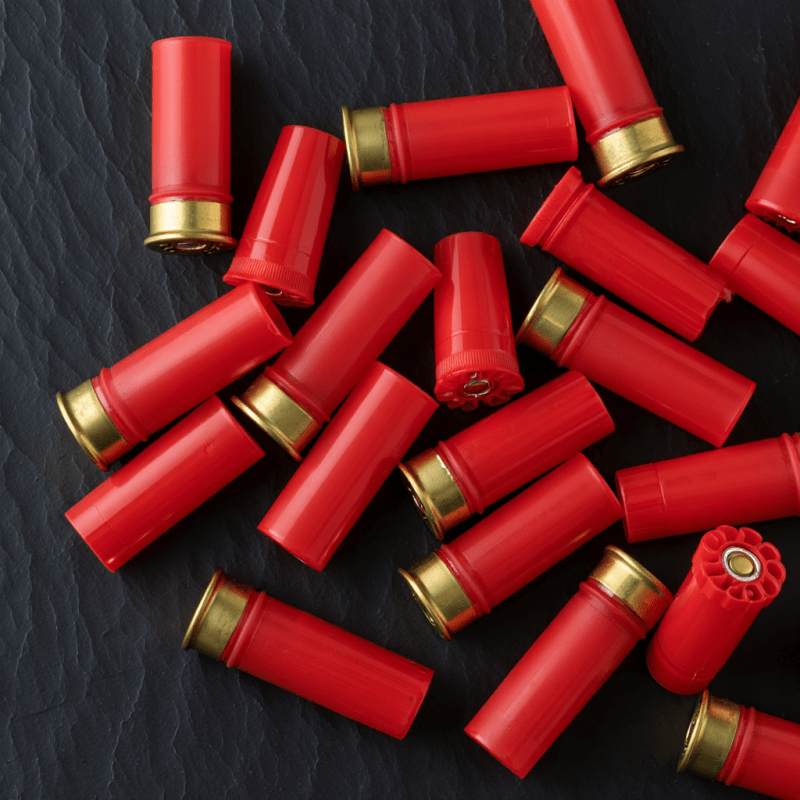
Suggested image alt text: 12 gauge shotgun shells for sale
Table of Contents
-
What Are 12 Gauge Shotgun Shells?
-
12 Gauge Shell Lengths Explained
-
Best 12 Gauge Birdshot Loads
-
Best 12 Gauge Buckshot Loads
-
Best 12 Gauge Slugs
-
Choke Compatibility
-
12 Gauge Shells for Hunting
-
12 Gauge Shells for Clay Shooting
-
12 Gauge vs 20 Gauge
-
How to Choose the Right Load
-
FAQs
What Are 12 Gauge Shotgun Shells?
12 gauge shotgun shells are shotshell cartridges made for firearms chambered in 12 gauge. They can be loaded with small pellets, larger buckshot pellets, a single slug, or specialty payloads.
The 12 gauge is one of the most versatile shotgun gauges because it offers a wide range of shell types. That makes it useful for many legal sporting, hunting, and range applications.
Common 12 gauge shell types include:
-
Birdshot
-
Buckshot
-
Slugs
-
Turkey loads
-
Waterfowl loads
-
Target loads
-
Reduced-recoil loads
-
Specialty loads
If you are comparing 12 gauge shotgun shells for sale, start with the intended use. A clay target load is not the same as a deer slug, and a birdshot load is not the same as buckshot.
12 Gauge Shell Lengths Explained
Shell length is one of the first things to check before buying shotgun shells.
Common 12 gauge shell lengths include:
| Shell Length | Common Use | Buyer Notes |
|---|---|---|
| 2¾ inch | Target, hunting, buckshot, slugs | Standard choice for most buyers |
| 3 inch | Turkey, waterfowl, heavier hunting loads | More payload and recoil |
| 3½ inch | Heavy turkey and waterfowl loads | Requires a 3½-inch chamber |
The shell length listed on the box refers to the fired length of the shell. Always check your shotgun barrel marking and owner’s manual before buying.
Never fire a shell that is longer than your shotgun chamber rating. If your shotgun is marked for 2¾-inch shells, do not use 3-inch or 3½-inch shells.
Best 12 Gauge Birdshot Loads
Birdshot uses many small pellets. It is commonly used for clay targets, upland birds, dove, quail, pheasant, grouse, and other legal small-game or bird-hunting uses.
Common birdshot sizes include:
| Shot Size | Common Use |
|---|---|
| #9 | Skeet and close clay targets |
| #8 | Trap, skeet, dove, small birds |
| #7½ | Trap, sporting clays, dove |
| #6 | Pheasant, grouse, rabbits |
| #5 | Larger upland birds |
| #4 | Heavier field loads |
For clay target shooting, #7½, #8, and #9 are common. For upland hunting, #5 or #6 may be better depending on bird size and distance.
For current shotgun ammo options, browse Shotgun Ammunition.
Best 12 Gauge Buckshot Loads
Buckshot uses larger pellets than birdshot. It is commonly used for defensive loads where legal, certain hunting applications, and law-enforcement-style shotgun loads.
Common buckshot sizes include:
| Buckshot Size | Pellet Size | Common Use |
|---|---|---|
| #4 Buck | Smaller buckshot pellets | Close-range field or defensive use |
| #1 Buck | Mid-size buckshot | Balanced pellet count and size |
| 00 Buck | Common defensive buckshot | Industry-standard choice |
| 000 Buck | Larger pellets | Fewer pellets, more pellet size |
For most buyers comparing 12 gauge shotgun shells for sale, 2¾-inch 00 buckshot is the most familiar buckshot option.
Reduced-recoil buckshot may be easier to control than full-power loads. This can matter for follow-up shots, training, and smaller-framed shooters.
Always pattern buckshot in your own shotgun. Two loads with the same pellet size can pattern very differently.
Best 12 Gauge Slugs
A slug is a single projectile instead of multiple pellets. Slugs are commonly used for deer hunting in shotgun-only zones, certain field uses, and accuracy-focused shotgun applications.
Common 12 gauge slug types include:
-
Foster slugs
-
Rifled slugs
-
Sabot slugs
-
Reduced-recoil slugs
-
Copper or non-lead slugs where required
Foster-style rifled slugs are commonly used in smoothbore shotguns with appropriate chokes. Sabot slugs are designed for rifled shotgun barrels or rifled choke systems.
Do not assume every slug is safe or accurate in every shotgun. Always check the slug box, choke recommendations, barrel type, and firearm manual.
For shotgun and ammunition categories, start here:
Choke Compatibility for 12 Gauge Shotgun Shells
Choke compatibility is one of the most important parts of buying 12 gauge shotgun shells for sale.
A choke controls how tightly the shot pattern leaves the barrel. It can affect pattern density, range, and load suitability.
Common chokes include:
| Choke | Common Use |
|---|---|
| Cylinder | Slugs, close-range buckshot, close targets |
| Improved Cylinder | Close upland birds, some buckshot, some slugs |
| Modified | General hunting and field use |
| Full | Longer-range birdshot and turkey use |
| Extra Full / Turkey | Turkey loads and dense patterns |
Never guess with slugs or specialty loads. Some slugs and some shot materials may not be compatible with tighter chokes.
If your shotgun has removable choke tubes, read the choke markings and manufacturer instructions before firing.
12 Gauge Shells for Upland Bird Hunting
For upland birds, birdshot is the standard. The right shot size depends on the bird, range, and cover.
Common choices include:
-
Dove: #7½ or #8
-
Quail: #7½ or #8
-
Grouse: #6 or #7½
-
Pheasant: #5 or #6
-
Woodcock: #7½ or #8
A 2¾-inch shell is enough for most upland hunting. Many hunters prefer a lighter field load because it reduces recoil during long days.
Always check state hunting regulations before choosing shot size or material.
12 Gauge Shells for Waterfowl
Waterfowl hunting requires nontoxic shot in the United States. Lead shot is not allowed for waterfowl and coots under federal rules.
Common nontoxic shot materials include:
-
Steel
-
Bismuth
-
Tungsten-based shot
-
Other approved nontoxic materials
Steel is usually the most affordable. Bismuth and tungsten-based loads cost more, but they can offer better density and performance.
For ducks, many hunters start with steel #2, #3, or BB depending on species and distance. For geese, larger steel shot such as BB, BBB, or T may be used.
Check your state and hunting-zone rules before buying.
12 Gauge Shells for Turkey Hunting
Turkey hunting requires tight patterns and enough pellet density at the distance you can shoot responsibly.
Common turkey shot sizes include:
-
#4
-
#5
-
#6
-
#7 or #9 TSS in certain premium loads
Turkey loads are often heavier than standard target loads. They may also produce much more recoil.
Many turkey hunters use 3-inch shells, but 2¾-inch loads can still work in the right setup. Pattern your shotgun before the season so you know the real effective range.
12 Gauge Shells for Deer Hunting
In shotgun-only deer zones, 12 gauge slugs are a common choice.
Use the correct slug for your barrel:
-
Smoothbore barrel: often Foster or rifled slugs
-
Rifled barrel: often sabot slugs
-
Rifled choke tube: check manufacturer guidance
Deer hunting with slugs requires sight-in time. Do not assume your slug hits where your bead or optic points.
Before hunting, confirm:
-
Slug type
-
Barrel type
-
Choke compatibility
-
State deer regulations
-
Zero distance
-
Accuracy in your shotgun
-
Ethical range limit
12 Gauge Shells for Clay Target Shooting
For trap, skeet, and sporting clays, target loads are the best choice.
Common clay target loads include:
-
#7½ shot
-
#8 shot
-
#9 shot
-
1 oz payloads
-
1⅛ oz payloads
-
2¾-inch shells
Most clay target shooters buy by the flat because volume shooting uses shells quickly. A flat usually contains 250 shells.
Before buying a large quantity, confirm your club’s rules on shot material, velocity, and shot size.
12 Gauge Shells for Home Defense
For home defense where legal, many buyers consider 2¾-inch buckshot or reduced-recoil buckshot. The most common load people compare is 00 buckshot.
The right defensive load should be reliable in your shotgun and manageable for the shooter. Recoil matters because hard-recoiling loads can slow follow-up shots and reduce control.
Before choosing any home-defense shotgun load, consider:
-
Local law
-
Safe storage
-
Over-penetration risk
-
Recoil control
-
Training level
-
Pattern size at realistic distances
-
Reliability in your shotgun
This section is for general buyer education only. Always follow local law and safe firearm storage practices.
12 Gauge vs 20 Gauge
12 gauge and 20 gauge are both useful. The better choice depends on the shooter and purpose.
Choose 12 Gauge If:
-
You want the widest ammo selection.
-
You want maximum versatility.
-
You hunt waterfowl or turkey.
-
You want common buckshot and slug options.
-
You shoot clays regularly.
-
You want one shotgun for many roles.
Choose 20 Gauge If:
-
You want less recoil.
-
You prefer a lighter shotgun.
-
You are a smaller-framed shooter.
-
You mainly hunt upland birds.
-
You want an easier-carrying field gun.
For a first do-everything shotgun, 12 gauge is usually the more versatile option. For recoil-sensitive shooters, 20 gauge can be easier to manage.
Lead vs Steel vs Bismuth vs Tungsten Shot
Shot material affects price, performance, legality, and choke compatibility.
Lead Shot
Lead is dense and effective, but it is not legal for waterfowl hunting in the U.S. It may still be used for some upland, clay, and turkey applications where legal.
Steel Shot
Steel is nontoxic and commonly used for waterfowl. Because steel is less dense than lead, hunters often choose larger shot sizes.
Check choke compatibility before using steel shot, especially in older barrels or tighter chokes.
Bismuth Shot
Bismuth is a premium nontoxic option. It is often used by hunters who want better density than steel or who shoot older shotguns that may not be ideal for steel.
Tungsten-Based Shot
Tungsten-based loads are premium nontoxic loads. They can be very effective, especially in turkey hunting, but they are usually expensive.
How to Compare Price Per Shell
When buying 12 gauge shotgun shells for sale, compare price per shell instead of only box price.
Use this formula:
Total price ÷ number of shells = price per shell
Example:
$100 ÷ 250 shells = $0.40 per shell
This helps you compare a 25-shell box, a 100-shell case, and a 250-shell flat more accurately.
How to Choose the Right 12 Gauge Shotgun Shells
Before buying 12 gauge shotgun shells for sale, ask these questions:
-
What is my shotgun chamber length?
-
Am I buying for clays, hunting, defense, or slugs?
-
Do I need birdshot, buckshot, or slugs?
-
What choke am I using?
-
Is this load compatible with my barrel?
-
Does my state require nontoxic shot?
-
What shot size do I need?
-
What recoil level can I manage?
-
Does my shotgun cycle this shell reliably?
-
Can these shells ship to my state?
The best 12 gauge shotgun shells are the ones that match your shotgun, your choke, your purpose, and your local rules.
Shop Related Star Gun Shop Categories
Use these internal links to compare shotgun shells, firearms, and buyer-support pages:
External Resources
For official cartridge, shotshell, and hunting-rule reference, review:
12 Gauge Shotgun Shells For Sale FAQs
What are 12 gauge shotgun shells for sale best used for?
12 gauge shotgun shells are used for clay shooting, upland hunting, waterfowl hunting with nontoxic shot, turkey hunting, deer hunting with slugs, training, and defensive planning where legal.
What is the best 12 gauge shell for beginners?
A 2¾-inch target load is usually the best starting point for beginners. It has less recoil than heavy hunting, buckshot, or magnum loads.
What is the difference between birdshot, buckshot, and slugs?
Birdshot uses many small pellets. Buckshot uses fewer larger pellets. A slug is one single projectile. Each is made for different uses.
What is the best 12 gauge shell for clay shooting?
For trap, skeet, and sporting clays, #7½, #8, or #9 target loads are common. Check your club’s rules before buying.
What is the best 12 gauge shell for home defense?
Many buyers compare 2¾-inch 00 buckshot or reduced-recoil buckshot for home defense where legal. Test the load in your shotgun and follow local law.
Can I shoot 3-inch shells in any 12 gauge shotgun?
No. Only use 3-inch shells if your shotgun is chambered for them. Check the barrel marking and owner’s manual first.
Can I shoot slugs through a choke?
It depends on the slug and choke. Many Foster-style slugs are used with Cylinder or Improved Cylinder chokes. Do not guess. Check the slug box and shotgun manual.
What shot is required for waterfowl?
Waterfowl hunting in the U.S. requires approved nontoxic shot. Lead shot is not legal for waterfowl and coots.
Should I buy 12 gauge shells in bulk?
Yes, if you shoot clays or train often. For hunting and defensive loads, buy enough to pattern-test and keep a reasonable supply of the same load.
Can 12 gauge shotgun shells be shipped to my state?
Ammo shipping rules vary by state and local area. Check your local laws before ordering and contact Star Gun Shop support if you are unsure.
Final Word
12 gauge shotgun shells for sale cover more uses than almost any other ammunition category. Birdshot works for clays and birds. Buckshot is commonly compared for defensive use where legal. Slugs are used for deer hunting and other field applications where legal.
Choose 2¾-inch shells for most general use. Choose 3-inch or 3½-inch loads only if your shotgun is rated for them and your purpose requires the extra payload.
Before ordering, confirm your shotgun chamber length, choke compatibility, shell type, hunting rules, and local ammo shipping laws. The right 12 gauge shotgun shells should match your shotgun, your target, and your purpose.