

Ammo & Guns Blog
The Ultimate Guide to Hog, Coyote, Turkey, and Small Game Hunting: Ammo, Seasons, and Best States
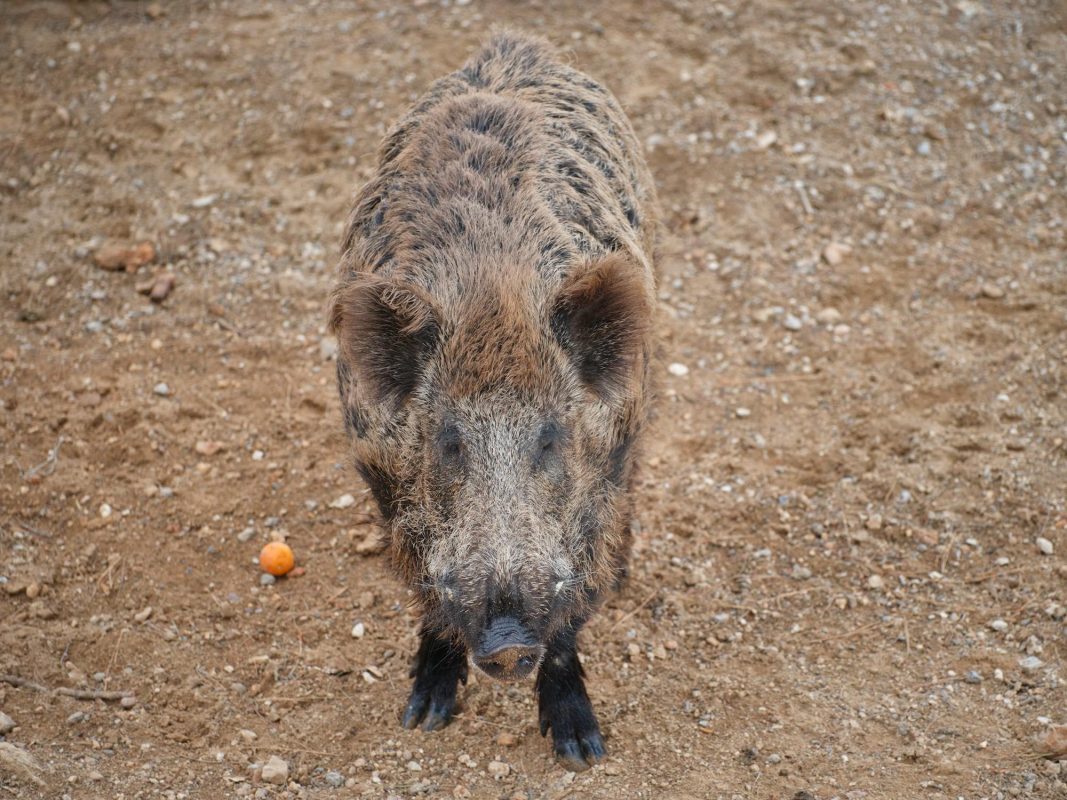
Hog, Coyote, Turkey & Small Game Hunting Guide
Hog coyote turkey small game hunting covers several very different hunting styles. Each species requires different planning, different ammunition, different season research, and different legal checks before going into the field.
A hog hunter may compare centerfire rifle cartridges. A coyote hunter may look for flat-shooting varmint loads. A turkey hunter must think about shotgun patterning and shell selection. A small-game hunter may prefer .22 LR, .22 WMR, or light shotgun loads where legal.
This guide explains the basics of ammo selection, hunting seasons, state rules, and buying tips for hunters who want to prepare responsibly.
For current options, browse Ammunition, Rifle Ammo, and Rimfire Ammunition at Star Gun Shop.
Start With State Hunting Regulations
Before choosing ammunition, check the hunting regulations for the state and land where you plan to hunt. Seasons, bag limits, license requirements, legal methods, firearm rules, magazine rules, and ammunition restrictions can vary widely.
The U.S. Fish & Wildlife Service provides a helpful general hunting-law overview here: USFWS General Hunting Laws.
If you hunt public land, also check the rules for that specific wildlife area, refuge, forest, or state-managed property.
1. Hog Hunting
Hog hunting is popular in many southern and southeastern states, especially where feral hogs create agricultural and environmental damage. Rules can vary by state and land type, so hunters should confirm license requirements and legal methods before hunting.
Common Hog Hunting Ammo
Hog hunters often compare centerfire rifle cartridges such as:
-
.300 Blackout
-
.223 Remington / 5.56 NATO where legal and appropriate
-
.308 Winchester
-
6.5 Creedmoor
-
.30-06 Springfield
-
.350 Legend
-
12 gauge slugs or buckshot where legal
The best hog hunting ammo depends on terrain, distance, firearm, bullet construction, and local law. Many hunters prefer bullets built for controlled expansion or reliable penetration.
Hog Hunting Tips
Before buying ammo in bulk, test the load in your rifle. Confirm accuracy, feeding, extraction, and point of impact.
Do not choose a cartridge based only on popularity. Match the ammunition to your firearm, hunting distance, and the size of the animals in your area.
2. Coyote Hunting
Coyote hunting usually rewards flat trajectory, accuracy, and good field planning. Coyotes are found across much of the United States, but season rules and legal methods vary.
Some states allow coyote hunting year-round. Others may restrict night hunting, electronic calls, lights, suppressors, public-land access, or certain firearm types.
Common Coyote Hunting Ammo
Coyote hunters often compare:
-
.223 Remington
-
5.56 NATO where legal and firearm-compatible
-
.22-250 Remington
-
.204 Ruger
-
.224 Valkyrie
-
.243 Winchester
-
.22 WMR for closer-range use where legal
For current rifle options, browse Rifle Ammo.
Coyote Hunting Tips
Choose ammunition based on range, accuracy, and local laws. Some hunters prefer varmint bullets for fast expansion, while others may choose different bullet designs depending on pelt damage concerns and terrain.
Always confirm what is legal for the state, season, and land type before hunting.
3. Turkey Hunting
Turkey hunting is different from hog and coyote hunting because shotguns are commonly used, and pattern performance matters. A turkey load should be tested with the shotgun and choke combination before the season.
Common Turkey Hunting Loads
Turkey hunters often compare:
-
12 gauge turkey loads
-
20 gauge turkey loads
-
TSS turkey loads
-
Lead turkey loads where legal
-
Non-toxic loads where required
-
.410 turkey loads where legal
Do not assume every gauge, shell length, shot type, or firearm is legal in every state. Some states have specific rules for turkey hunting equipment.
Patterning Matters
Before hunting, pattern your shotgun at realistic distances. Patterning helps confirm point of impact, pellet density, and choke performance.
A premium turkey load is only useful if it patterns well from your shotgun.
4. Small Game Hunting
Small game hunting can include squirrels, rabbits, hares, and similar species where legal. It is often a practical way for hunters to practice woodsmanship, marksmanship, and field awareness.
Common Small Game Ammo
Small-game hunters often compare:
-
.22 LR
-
.22 WMR
-
.17 HMR
-
Light 12 gauge loads
-
20 gauge field loads
-
.410 bore shells
For rimfire options, browse Rimfire Ammunition.
Small Game Hunting Tips
Choose ammunition that fits the game, distance, and local rules. For rabbits and squirrels, many hunters prefer lower-recoil options and precise shot placement within responsible range limits.
Check whether public land requires non-toxic shot or restricts certain firearm types.
Best States to Research by Hunting Type
The best state depends on the species, season access, public land, license availability, and local regulations. Use this section as a starting point, not a final legal answer.
Hog Hunting States
Hunters often research states such as:
-
Texas
-
Florida
-
Georgia
-
Alabama
-
Oklahoma
-
South Carolina
-
Louisiana
Hog rules can differ from traditional game rules, especially on private land. Always confirm state and local requirements.
Coyote Hunting States
Coyote hunters often research states such as:
-
Arizona
-
Texas
-
Nevada
-
Colorado
-
Wyoming
-
Kansas
-
New Mexico
Check night hunting rules, public-land rules, call restrictions, and license requirements.
Turkey Hunting States
Turkey hunters often research states such as:
-
Missouri
-
Kentucky
-
Tennessee
-
Pennsylvania
-
Iowa
-
Wisconsin
-
Alabama
Turkey seasons are often highly specific by date, tag type, weapon type, and region. Always check the current spring or fall turkey guide for the state.
Small Game Hunting States
Small-game hunters often research states with strong public land or traditional small-game access, such as:
-
Pennsylvania
-
Michigan
-
Wisconsin
-
Kentucky
-
Missouri
-
Arkansas
-
Georgia
Small-game seasons may vary by species, zone, and land type.
How to Choose Hunting Ammo
Before choosing hunting ammo, ask:
-
What species am I hunting?
-
What firearm am I using?
-
What caliber or gauge is marked on the firearm?
-
What ammunition is legal in the state?
-
What is the likely distance?
-
What bullet or shot type is appropriate?
-
Have I tested the load before the season?
-
Does the load feed and function reliably?
-
Does the firearm hold zero with this ammunition?
-
Can the ammunition ship to my state?
For shipping guidance, read Ammo Shipping Restrictions by State.
Buying Tips Before Hunting Season
Buy hunting ammo early. Waiting until the week before opening day can limit your options.
Test a smaller quantity before buying in bulk. A rifle, shotgun, or rimfire firearm may prefer one load over another.
Keep your ammunition stored in a cool, dry place. Leave boxes labeled so caliber, bullet weight, shot size, manufacturer, and lot information remain easy to identify.
Practice Without Wasting Ammo
Hunters can prepare without burning through large amounts of ammunition.
Useful practice options include:
-
Dry-fire practice where safe and appropriate
-
Confirming zero with a focused range session
-
Rimfire practice for fundamentals
-
Air rifle practice where legal
-
Shotgun patterning with a clear plan
-
Archery practice for bow seasons
-
Scouting with maps and trail cameras where legal
The goal is to prepare carefully, not waste ammunition.
Safety and Responsible Hunting
Responsible hunters follow firearm safety, respect property lines, understand target identification, and know what is beyond the target.
Basic safety reminders include:
-
Treat every firearm as loaded
-
Keep the muzzle pointed in a safe direction
-
Keep your finger off the trigger until ready to fire
-
Know your target and what is beyond it
-
Wear appropriate eye and ear protection at the range
-
Store firearms and ammunition securely
-
Follow all state and local hunting laws
Safety matters more than any caliber or load choice.
Frequently Asked Questions
What ammo is best for hog hunting?
Common hog hunting choices include .300 Blackout, .308 Winchester, 6.5 Creedmoor, .30-06 Springfield, .350 Legend, and 12 gauge loads where legal. The best choice depends on firearm, range, terrain, and local law.
What ammo is best for coyote hunting?
Popular coyote options include .223 Remington, .22-250 Remington, .204 Ruger, .224 Valkyrie, and .243 Winchester. Check state regulations before hunting.
What is the best turkey load?
The best turkey load is the one that is legal in your state and patterns well from your shotgun and choke. Many hunters compare lead, TSS, and non-toxic loads depending on regulations.
Is .22 LR good for small game?
Yes, .22 LR is commonly used for small-game hunting where legal. Always check local regulations and use ammunition that matches your firearm.
Do hunting seasons change every year?
Yes, many hunting seasons, bag limits, and legal-method rules can change. Always check the current state hunting regulations before going into the field.
Final Thoughts
Hog coyote turkey small game hunting requires planning before buying ammunition. Each species has different rules, firearm needs, ammunition choices, and season requirements.
The best approach is simple: check current regulations, match ammo to your firearm, test your load, store ammunition safely, and prepare before the season begins.
For current options, browse Ammunition, Rifle Ammo, and Rimfire Ammunition at Star Gun Shop.
Always use ammunition that matches your firearm’s marked caliber. Hunters and buyers are responsible for following all federal, state, and local laws before purchasing ammunition or hunting.
